Understanding the psychological impacts of gambling on decision-making processes
The Cognitive Biases in Gambling
The world of gambling is deeply intertwined with various cognitive biases that significantly affect decision-making. One such bias is the illusion of control, where gamblers believe they can influence outcomes despite the inherent randomness of games. For instance, players can enhance their experience by visiting fortislots-casino.com, which offers a variety of options. This cognitive distortion can lead players to make irrational decisions, often wagering more than they can afford, driven by the false belief that skill can override luck. A player might feel they have a strategy for winning at poker, despite the fact that outcomes are largely influenced by chance.

Another cognitive bias prevalent in gambling is the gambler’s fallacy, which is the mistaken belief that past outcomes can influence future events. For example, if a roulette wheel has landed on red several times in a row, a player might incorrectly conclude that black is due to appear next. This misunderstanding can lead to ill-informed betting patterns, often resulting in increased losses. Such biases highlight how psychological factors can distort rational thinking, complicating decision-making in high-stakes environments.
Additionally, the sunk cost fallacy plays a significant role in gambling behavior. Gamblers may continue to bet on a losing streak simply because they have already invested substantial money. This tendency to prioritize previous investments over potential future losses can create a cycle of poor decision-making. Understanding these cognitive biases is crucial, as it underscores the psychological obstacles gamblers face, thereby paving the way for better decision-making strategies.
The Emotional Aspects of Gambling
Gambling is not solely a rational activity; it is deeply emotional. The thrill of winning can create an emotional high, prompting players to chase after that euphoric feeling. This emotional response often leads to impulsive decisions, as players may overlook logical considerations in pursuit of that next win. A gambler who experiences a sudden windfall might double down their bets, risking their newfound fortune due to the emotional rush that winning brings.
Conversely, the emotional distress of losing can lead to a negative feedback loop, where players attempt to recover losses through further gambling. This desperation can cloud judgment, leading to reckless betting behavior that may ultimately exacerbate financial woes. Emotional states such as anxiety and stress can significantly alter decision-making processes, often prompting gamblers to take larger risks than they would under normal circumstances.
Moreover, the social environment surrounding gambling can amplify emotional impacts. Social pressures, peer influences, and the desire for social acceptance can lead individuals to gamble beyond their means. The emotional complexities of gambling are essential to understand, as they profoundly affect how decisions are made and can lead to pathological gambling if not addressed.
The Role of Addiction in Decision-Making
Addiction to gambling introduces a host of challenges that severely impact decision-making processes. Individuals with a gambling addiction often find themselves in a perpetual state of denial, believing they can control their gambling behavior despite overwhelming evidence to the contrary. This denial can lead to disastrous financial consequences, as the compulsion to gamble overrides rational thought. For instance, someone might allocate savings meant for essential expenses to gambling, neglecting their immediate responsibilities.
The neurobiological underpinnings of addiction further complicate this issue. Gambling activates the brain’s reward system, releasing dopamine, which reinforces the behavior. As a result, the brain becomes wired to associate gambling with pleasure, making it increasingly difficult for an individual to resist the urge to gamble. This neurological conditioning can lead to poor decision-making, where the individual prioritizes gambling over other critical aspects of life, such as work or family obligations.
Understanding the impact of addiction on decision-making highlights the need for effective interventions. Therapeutic approaches, including cognitive-behavioral therapy, aim to modify distorted thinking patterns and improve decision-making skills among those struggling with gambling addiction. By addressing the psychological factors at play, individuals can develop healthier decision-making processes and regain control over their gambling behaviors.
The Ethical Considerations in Gambling
As the gambling industry continues to expand, ethical considerations have become paramount. One major concern is the marketing strategies employed by gambling operators, which often target vulnerable populations. Ethical dilemmas arise when these strategies exploit individuals prone to addiction or those experiencing financial difficulties. This raises questions about the responsibility of the gambling industry in promoting safe gambling practices while balancing profit margins.
Additionally, the question of informed consent becomes crucial. Gamblers should have a clear understanding of the risks associated with gambling, including the potential for addiction. It is essential for gambling platforms to provide transparent information about the odds of winning and the dangers of excessive gambling. Failing to do so could be seen as an ethical violation, as individuals may unknowingly enter a cycle of gambling without fully grasping the consequences.
Ethical considerations also extend to the support systems available for individuals facing gambling issues. Gambling operators have a moral obligation to offer resources for those in need, including self-exclusion programs and access to counseling services. By implementing these measures, the industry can contribute positively to society while ensuring that individuals are protected from the potentially harmful effects of gambling.
Fortislots Casino: A Responsible Gaming Environment
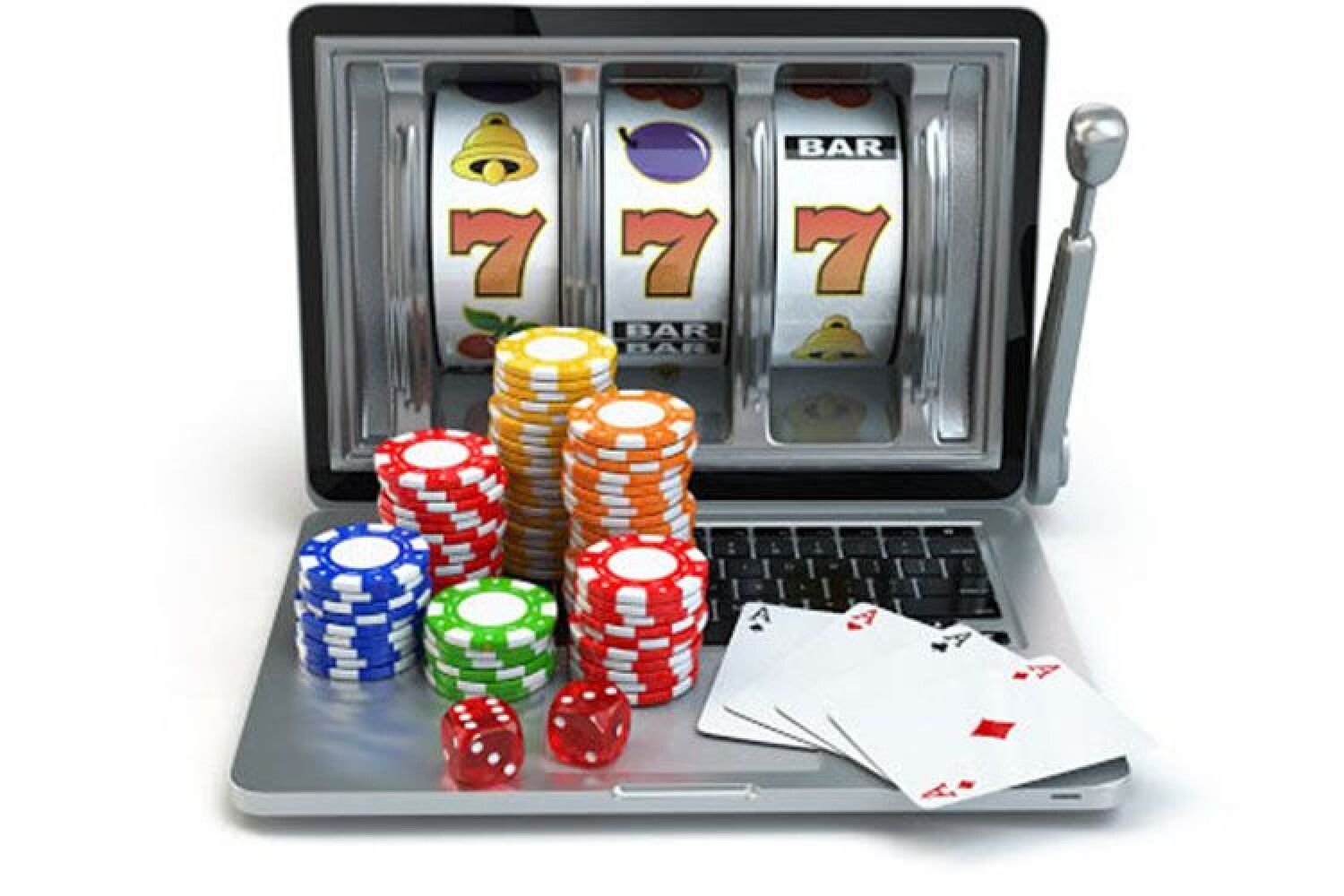
Fortislots Casino stands out as a modern online gaming platform committed to fostering a responsible gaming environment. With a diverse selection of over 80 providers’ games, including video slots and live casino options, the platform prioritizes user safety and enjoyment. In addition to providing a thrilling gaming experience, Fortislots Casino emphasizes the importance of responsible gambling by offering tools for players to manage their gaming habits.
The casino features various responsible gaming options, including self-exclusion and deposit limits, ensuring that players can engage in a controlled and enjoyable manner. By promoting awareness of the risks associated with gambling, Fortislots Casino encourages players to make informed decisions, supporting them in maintaining a balanced gaming lifestyle. This approach not only enhances the overall gaming experience but also aligns with ethical considerations surrounding the gambling industry.
Moreover, with a generous Welcome Bonus Package of up to €3000 and 300 free spins, Fortislots Casino offers new players an enticing start while ensuring that responsible gaming remains a core value. The site’s commitment to security, multi-currency support, and convenient payment options further reflect its dedication to providing a safe and enjoyable gaming environment for all players, reinforcing the need for ethical practices in the world of online gambling.